
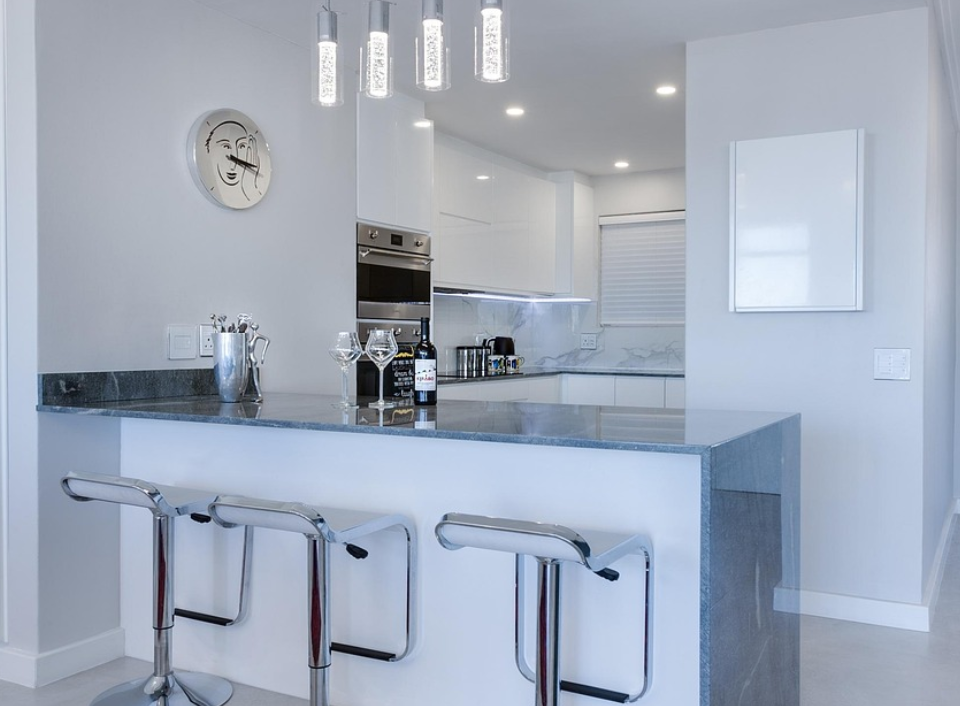
In a small kitchen, it’s easy to focus only on cramming in as much storage as possible. But cabinets that are bulky, dark, or poorly laid out can make the room feel cramped, even if they hold a lot. The goal is to choose cabinetry that still gives you the storage you need while making the kitchen feel more open, brighter, and less cluttered. That means thinking about layout, height, colour, and door style as tools to change how the space feels, not just how much it can store.
Use Layout To Open Up The Room
Cabinet layout has a huge impact on how a small kitchen works. Clean runs of base cabinets and carefully planned uppers help avoid visual chaos. In tight spaces, it often helps to:
-
Keep upper cabinets in logical, continuous sections instead of short, chopped‑up pieces
-
Use corner solutions and pull-outs to avoid dead zones
-
Choose drawer bases where possible, since drawers make deep storage easier to reach
A well-thought-out layout reduces awkward gaps and crowded corners, helping the room feel more intentional and less squeezed.
Choose Colours And Finishes That Lift The Walls
Cabinet colour is one of the simplest ways to change the perceived size of a kitchen. Lighter finishes—white, soft grey, pale beige—reflect more light and help the walls feel farther away. Matching or closely coordinating upper cabinet colour with wall colour can reduce visual “breaks,” so the eye doesn’t get stuck on dark blocks.
Gloss or semi‑sheen finishes, tasteful glass fronts, and minimal hardware also keep surfaces feeling lighter. In contrast, very dark cabinets or heavy detailing can make a small room feel visually heavier, even if the footprint hasn’t changed.
Take Cabinets Up, Not Out
When floor space is limited, going vertical helps. Taller upper cabinets that reach close to the ceiling draw the eye upward and increase storage without widening the room. This can make the ceiling feel higher and reduce clutter on top of cabinets.
Inside, using adjustable shelves and smart interior accessories keeps tall cabinets usable instead of turning them into hard-to-reach towers. The idea is to use height to your advantage while keeping everyday items at comfortable reach.
Mix Cabinets With Open Elements
Not every inch has to be a solid door. In small kitchens, mixing closed cabinets with a few open or glass-front sections can make the wall feel lighter, like it has visual “windows.” Open shelves for frequently used, attractive items—mugs, bowls, jars—break up solid mass and add personality.
The key is balance: enough closed storage to hide clutter, plus strategic openness to keep the room from feeling boxed in.
Make Every Cabinet Work Harder
Small kitchens benefit from cabinetry that does more than just hold plates. Interior organizers and hardware can turn tight spaces into efficient storage:
-
Pull-out spice racks, tray dividers, and corner pull-outs
-
Deep drawers for pots and pans instead of low shelves
-
Narrow pull-outs for oils and condiments
These details reduce the need for countertop storage and free up surfaces, which in turn helps the kitchen feel bigger and calmer.
Discount Kitchens can help you choose cabinet styles, layouts, and finishes that make your kitchen feel larger without knocking down walls. Their team works with real Toronto spaces every day, recommending combinations that maximize storage while keeping rooms bright and open. If your kitchen feels cramped, talk to Discount Kitchens about cabinetry options that can transform how big it feels—and how easy it is to use—without a major renovation.
